E-Paper




'Bike taxis safer for young girls': Supreme Court allows ops to continue in Karnataka
The court remarked that bike taxis seemed affordable and accessible, particularly for women commuters.

 Prefer HTon Google


The Supreme Court on Friday allowed bike taxi services to continue operating in Karnataka and dismissed the state government's appeal challenging a Karnataka high court judgment that had set aside the ban on such services.
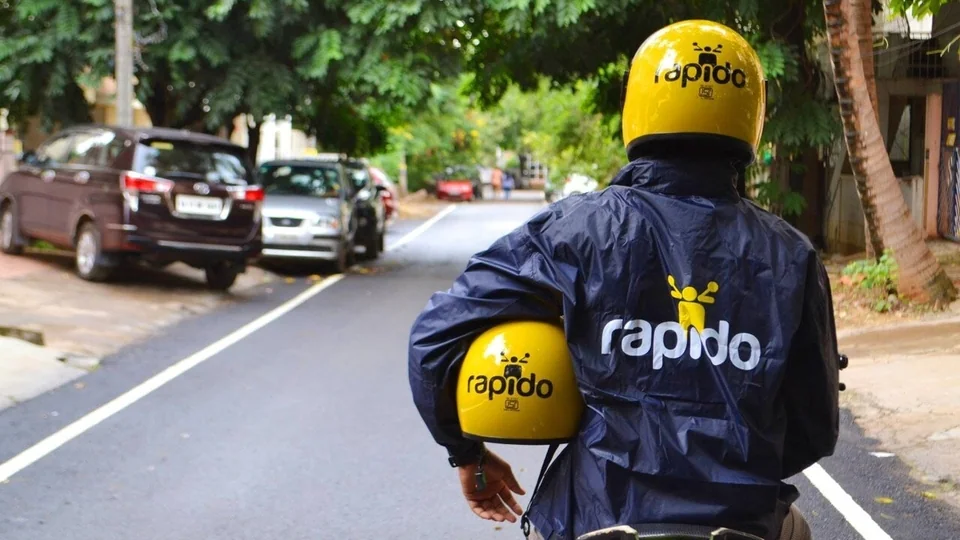
A bench of Justices Satish Chandra Sharma and N Kotiswar Singh upheld the high court's January 23 judgment, orally remarking that bike taxis seemed affordable and accessible, particularly for women commuters. The high court had allowed a batch of appeals filed by aggregators Rapido, Ola, Uber and others challenging restrictions on bike taxi operations.
Justice Sharma recounted a conversation he had had with "young women working in his office" who used bike taxis.
“I asked them, how do you come to my office? They said on a motorbike because they do not have the money to hire a cab. I asked them, why don't you take an auto? They said, ‘Sir, it is five times (the fare)," the judge said.
He also said that women found bike taxis safer for commute. “Bike taxi is safer for young girls as it has GPS as well. It is better to regulate it than ban it,” Sharma said during the hearing.
A detailed order of the Court is awaited.
The Karnataka government had challenged the state high court's January judgment, which had set aside an April 2, 2025 order by a single judge restraining aggregators from operating bike-taxi services.
The high court's division bench of Chief Justice Vibhu Bakhru and justice CM Joshi had allowed appeals filed by Uber India, Roppen Transportation Services (Rapido), ANI Technologies (Ola), the Bike Taxi Owners' Welfare Association and individual bike taxi owners.
The division bench had directed transport authorities to register motorcycles as transport vehicles and grant them contract carriage permits under the Motor Vehicles Act.
The single judge had held that, in the absence of guidelines under Section 93 of the Motor Vehicles Act and corresponding State rules, aggregators could not operate bike taxi services.
Setting aside that order, the division bench held that authorities could not refuse registration or permits merely on the ground that motorcycles cannot operate as transport vehicles or contract carriages. It also allowed regional transport authorities to impose necessary conditions while granting permits.
The State had opposed the services, citing protests by auto and taxi unions, law-and-order concerns, misuse of white-board vehicles and passenger safety. It had also argued that the Karnataka On-Demand Transportation Technology Aggregator Rules, 2016, applied only to four-wheeler taxi services.