
 E-Paper




PM SVANidhi scheme: UP bags eight national awards; tops ‘SVANidhi Se Samriddhi’ category
Three state-level awards and five urban local bodies recognised for performance; Aligarh, Ghaziabad, Meerut, Prayagraj and Varanasi among award winners

 Prefer HTon Google


Uttar Pradesh has secured eight national awards for the implementation of the Pradhan Mantri Street Vendor’s AtmaNirbhar Nidhi (PM SVANidhi) scheme, including first position in the ‘SVANidhi Se Samriddhi’ category and second position in both overall performance and special campaign categories.
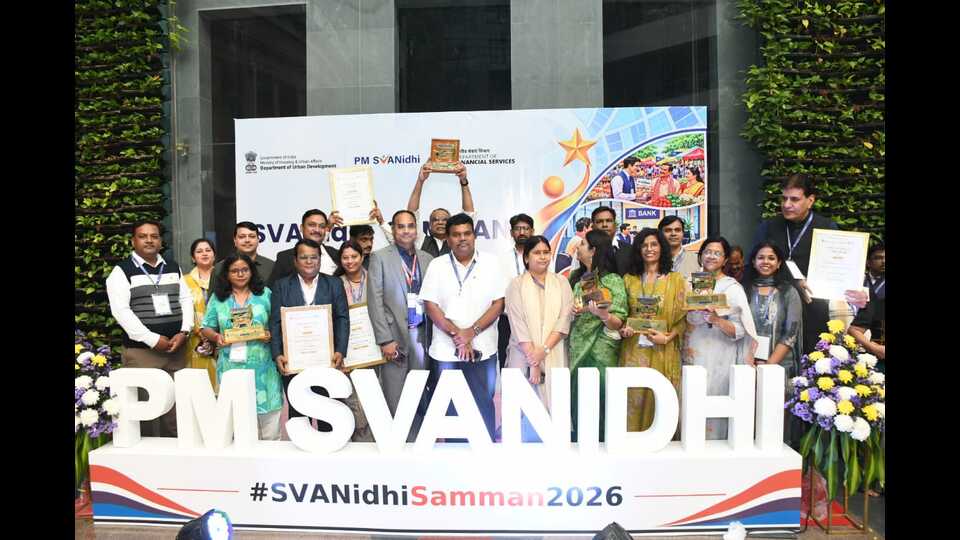
The awards, presented at the PM SVANidhi Samman Awards 2026 ceremony organised by the Union ministry of housing and urban affairs in New Delhi on Friday, include three recognitions at the state level and five at the urban local body (ULB) level.
Five cities — Aligarh, Ghaziabad, Meerut, Prayagraj and Varanasi — were also recognised nationally for their performance in implementing the scheme, which aims to provide affordable working capital loans to street vendors and help them expand their businesses.
Urban development and energy minister AK Sharma welcomed the recognition, attributing it to the combined efforts of street vendors, urban local bodies and officials of the State Urban Development Agency (SUDA).
Thanking Prime Minister Narendra Modi and chief minister Yogi Adityanath, Sharma said the scheme was playing an important role in the economic empowerment of small traders and street vendors.
“The PM SVANidhi scheme is bringing positive changes to the lives of small business owners by providing them access to affordable loans, digital transactions and opportunities to expand their businesses,” he said.
At the awards ceremony, Dr Rajaganapathi R, director of SUDA, received the awards from Union housing and urban affairs minister Manohar Lal Khattar.
The PM SVANidhi scheme provides collateral-free working capital loans to street vendors to support their businesses. Besides facilitating access to institutional credit, it promotes digital transactions and aims to improve the financial inclusion of vendors who have traditionally depended on informal sources of borrowing.





