
 E-Paper







Follow the latest breaking news, major developments and agenda-setting stories from India and around the world with the newsdesk at Hindustan Times. Operating round the clock, the desk brings together experienced editors, reporters and correspondents to deliver fast, accurate and contextual reporting across subjects that influence public policy, governance, business, society and international affairs. The HT News Desk covers politics, elections, government policies, the economy, business and markets, science and technology, the environment, law and order, infrastructure, education, climate issues and geopolitics, while closely tracking developments across states, institutions and global capitals. The team also leads coverage of major breaking news events, policy announcements, court proceedings, natural disasters, public emergencies and significant international developments. Reports published by the newsdesk are based on information gathered from reporters on the ground, official statements, government agencies, court records, regulatory filings, recognised institutions and other authoritative sources. Stories undergo editorial scrutiny and verification processes to ensure accuracy, fairness and relevance, and are updated as events evolve and additional information becomes available. Whether covering a key political decision in New Delhi, an economic policy shift affecting millions, a landmark court ruling or a major global event, the HT News Desk aims to provide readers with reliable, fact-based journalism that delivers not only the latest developments but also the context and analysis needed to understand their wider implications.
 Trending News
Hope Sri Lanka will revisit policy to ban burials of Covid-19 victims: UN
Sri Lanka since the outbreak of the pandemic in March had adopted the policy of cremating the victim, citing dangers of further spreading the virus through the underground water table if allowed to be buried.


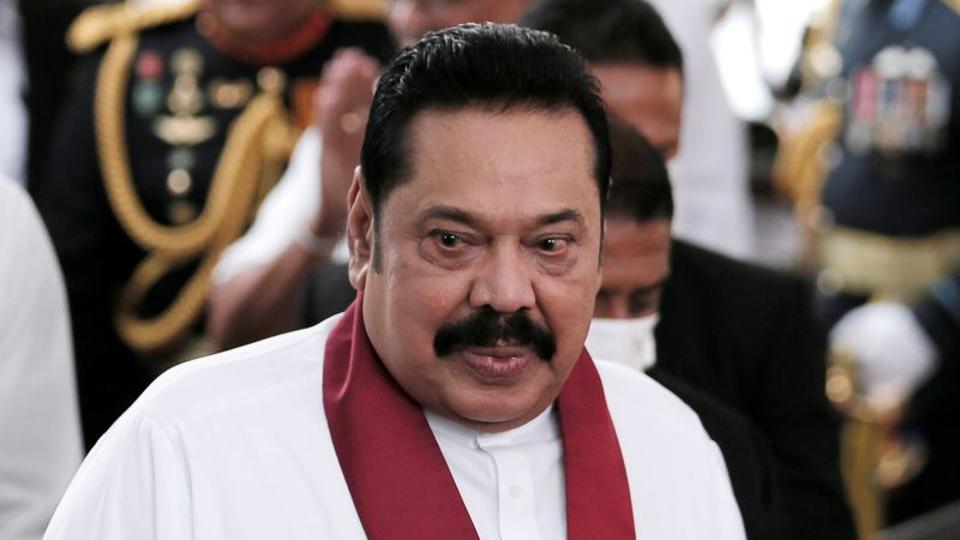
The UN has expressed hope that the Sri Lankan government will revisit their policy to ban burials for the victims of the Covid-19 pandemic that has so far claimed the lives of 48 people in the island nation. In a letter to Sri Lankan Prime Minister Mahinda Rajapaksa, UN Resident Coordinator in Colombo Hanaa Singer has reiterated concerns with the existing Sri Lankan Ministry of Health guidelines, which stipulate cremation as the only method for the disposal of bodies.
Sri Lanka since the outbreak of the pandemic in March had adopted the policy of cremating the victim, citing dangers of further spreading the virus through the underground water table if allowed to be buried.
The island’s Muslim minority has protested the move and has been urging the government to allow burials, claiming that cremation goes against their religious rituals for the deceased.
Also Read | 66 Indian nationals tested Covid-19 positive in Sri Lanka
Muslim religious organisations have been making representations on the issue. The government said it has appointed a panel of health experts to advise on the issue and until such time recommendations are made to the contrary the policy of cremations would continue.
Singer has said that across the world, the safe and dignified handling of those patients whose life has been tragically claimed by this virus has been an important part of the Covid-19 response.
“I am following with encouragement recent media reports that the current prohibition of burials of Covid-19 victims in Sri Lanka could be revisited shortly. In this context, I wish to take the opportunity to reiterate the concerns of the United Nations with the existing Ministry of Health guidelines, which stipulate cremation as the only method for the disposal of bodies suspected of Covid-19 infection,” she said in the letter.
The UN official also drew Rajapaksa’s attention to the World Health Organisation issued guidelines dated March 24, 2020 and subsequent updated interim guidance on September 4 2020 on the “Infection prevention and control for the safe management of a dead body in the context of Covid-19”.
She insists that based on current knowledge of the symptoms of Covid-19 and its main modes of transmission (droplet/contact), the likelihood of transmission when handling human remains is low.
“The common assumption that people who died of a communicable disease should be cremated to prevent spread is not supported by evidence. Instead, cremation is a matter of cultural choice and available resources,” she added.
The WHO had outlined that people who have died from Covid-19 can therefore be buried or cremated according to local standards and family preferences, with appropriate protocols for handling the body. Sri Lanka has so far reported 15,723 cases of coronavirus and 48 deaths due to it.





