
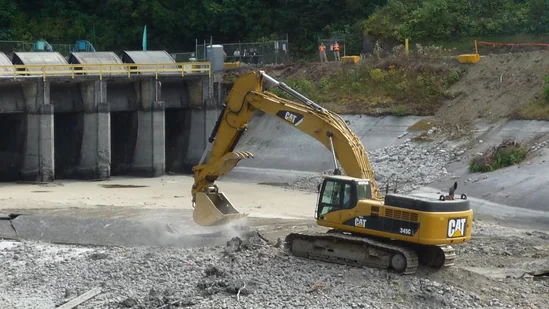
Since the early 1900s, two hydroelectric dams prevented the migration of fish in Washington State’s Elwha River. The removal of the two dams, completed in 2014, reopened more than 70 miles of river habitat to migratory fish. It also provided a chance for researchers to study fish behavior once such a large river obstacle had been removed.
NOAA Fisheries’ institutional account says that the dams prevented anadromous fish from accessing over 90 percent of the watershed area. Anadromous fish, like salmon and steelhead, breed in fresh water, migrate into the sea, and swim back to rivers for reproduction. The migration process started after the removal of the barriers, but access did not immediately restore the species.
River deprived of its breeding areas
Suggested For You
According to the National Park Service, Canadian entrepreneur Thomas Aldwell built Elwha Dam in 1910. It went into operation in 1913 and supplied power to a pulp mill located in Port Angeles. Glines Canyon Dam, which is eight miles upstream, was constructed in 1927.
Fish passage was not provided at either dam, so returning fish had only five miles of river available to them from the mouth of the river. They acted as sediment traps, resulting in riverbank erosion and the disappearance of spawning grounds below the dams. The building of the dams flooded lands sacred to the Lower Elwha Klallam Tribe and negatively affected their salmon populations.
{{/usCountry}}Fish passage was not provided at either dam, so returning fish had only five miles of river available to them from the mouth of the river. They acted as sediment traps, resulting in riverbank erosion and the disappearance of spawning grounds below the dams. The building of the dams flooded lands sacred to the Lower Elwha Klallam Tribe and negatively affected their salmon populations.
{{/usCountry}}Following years of lobbying on behalf of the tribe, the Elwha River Ecosystem and Fisheries Restoration Act was passed in 1992. This act authorized the federal government to acquire the dams and restore the river and its native migratory fish species. The process of removing the dams commenced in 2011, with Elwha Dam being the first to be decommissioned, followed by Glines Canyon Dam in 2014. NOAA refers to the process as being unprecedented in size.
Recovery is gradual; fish begin to return
A 2021 study published in Frontiers in Ecology and Evolution looked into the reaction of fish to the restored connectivity of the river. The researchers analyzed fish passage data and underwater observations from 65 kilometers of the river collected between 2007-08 and 2018-19.
Before the removal, migratory fish were confined to a reach of only 7.9 kilometers below the Elwha Dam. Within 2.5 years, eight migratory fish species, including two runs of steelhead, were found by researchers upstream of the Elwha Dam: five Pacific salmon species, Pacific lamprey, and bull trout. Except for chum salmon, all of the other species were found above the former Glines Canyon Dam within five years.
Adult Chinook salmon range expanded by about 50 kilometers while summer steelhead range was extended by approximately 60 kilometers. Although steelhead were not seen in the pre-removal surveys, researchers reported counts of 229 and 339 adults in the middle and upper river reaches within two post-removal survey years. More than 100 summer steelhead, among the rarest migratory fish in the region, were recorded in the upper river.
Juvenile Chinook and coho salmon were also seen above the former dam sites, which is indicative that adults had expanded upstream and created offspring in the newly available habitat. Chinook numbers were found to have tripled from 2007 to 2019, even though most of the fish found still stayed below the former Glines Canyon Dam. Fewer fish made it upstream.
The recovery was uneven. By September 2019, the chum salmon had still not been observed above the former upper dam site. The scientists noted that further observation was required to find out whether the Chinook would travel even further up the river and spawn there. A rockslide in October 2014 may also have slowed upstream fish passage to Glines Canyon until 2016.
NOAA Fisheries has continued to observe the river, estuary, and nearshore habitats, which include the aquatic food webs. The salmon bring nutrients from the ocean to freshwater to spawn, which supports the organisms that, in turn, become prey for young fish. During dam removal, elevated sediment concentrations reduced the abundance and diversity of benthic invertebrates below the dams. Although their abundance recovered as sediment levels declined, their diversity initially remained low.
There are no more dams, and migratory fish have regained access to much of the Elwha. According to the National Park Service, however, the restoration process is still ongoing, with the National Park Service collaborating with the Lower Elwha Klallam Tribe and others.
Explore More
ABOUT THE AUTHOR
The Hindustan Times US Desk brings you the latest news and developments from across the United States. The team covers everything from breaking news and politics to sports, business, entertainment and stories that are trending across the country. Our coverage includes the White House, Congress, US elections, immigration and visa updates, H-1B, green cards, Social Security, education, jobs, layoffs, the economy, technology and major policy changes. We also closely follow stories that matter to Indian and South Asian communities in the US. The desk covers major US sports, including the NFL, NBA, MLB and NHL, along with player news, injuries, schedules, results and major events. Entertainment coverage includes Hollywood, celebrities, television, streaming, music and pop culture. We also report on breaking developments, major incidents, weather, public safety, court cases and other stories making headlines across the country. When a major policy or news development affects people's everyday lives, the team works to explain what happened, what it means and what readers need to know. Alongside breaking news, the US Desk produces explainers and practical stories on topics such as immigration, Social Security, taxes, education, employment and government programmes. The team also works on science, tech, business and AI stories analyzing the impact they may have on people. The team follows developments throughout the day, keeping an eye on official announcements, public records, reliable news sources and what people are talking about across the US.
