
 E-Paper







Follow the latest breaking news, major developments and agenda-setting stories from India and around the world with the newsdesk at Hindustan Times. Operating round the clock, the desk brings together experienced editors, reporters and correspondents to deliver fast, accurate and contextual reporting across subjects that influence public policy, governance, business, society and international affairs. The HT News Desk covers politics, elections, government policies, the economy, business and markets, science and technology, the environment, law and order, infrastructure, education, climate issues and geopolitics, while closely tracking developments across states, institutions and global capitals. The team also leads coverage of major breaking news events, policy announcements, court proceedings, natural disasters, public emergencies and significant international developments. Reports published by the newsdesk are based on information gathered from reporters on the ground, official statements, government agencies, court records, regulatory filings, recognised institutions and other authoritative sources. Stories undergo editorial scrutiny and verification processes to ensure accuracy, fairness and relevance, and are updated as events evolve and additional information becomes available. Whether covering a key political decision in New Delhi, an economic policy shift affecting millions, a landmark court ruling or a major global event, the HT News Desk aims to provide readers with reliable, fact-based journalism that delivers not only the latest developments but also the context and analysis needed to understand their wider implications.
 Trending News
13-year-old boy arrested for political unrest won’t be executed: Saudi Arabia
Murtaja Qureiris, was detained in September 2014, has received an initial 12-year prison sentence with time served since his arrest and four years suspended for his young age.


A young man from Saudi Arabia’s minority Shi’ite Muslim community who was arrested at the age of 13 will not be executed and could be released by 2022, a Saudi official told Reuters on Saturday following reports of his pending execution.
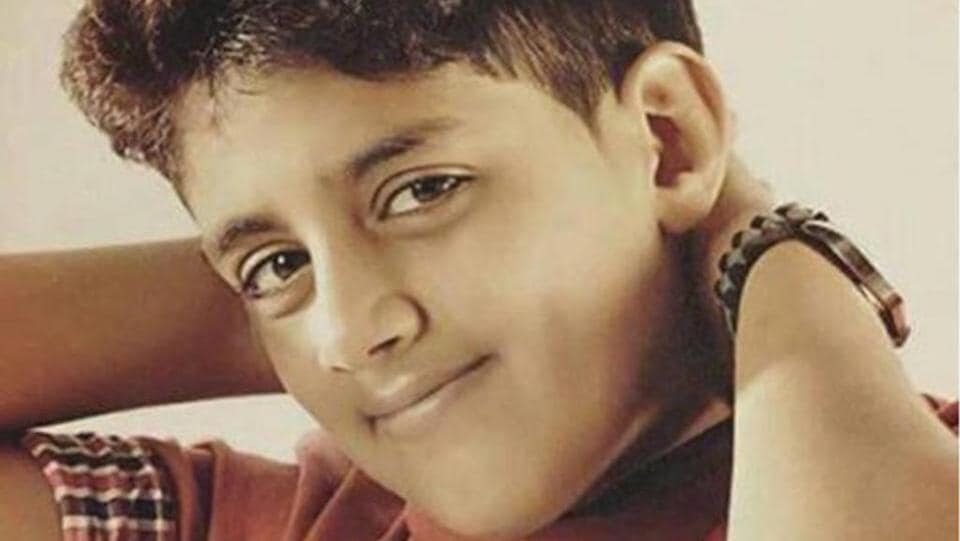
Murtaja Qureiris, who was detained in September 2014, has received an initial 12-year prison sentence with time served since his arrest and four years suspended for his young age, according to the official, who spoke on the condition of anonymity. The sentence is subject to appeal.
“He will not be executed,” the official added.
Rights groups including Amnesty International reported this month that the Saudi public prosecutor had sought the death penalty for Qureiris for a series of offences, some of which they said date back to when he was 10 years old.
Riyadh has come under mounting international scrutiny over its human rights record since the murder of journalist Jamal Khashoggi last October and the detention of women’s rights activists who are still on trial.
Austria’s government said on Wednesday it planned to shut a Saudi-funded centre for religious dialogue in Vienna after parliament urged it to try to prevent Qureiris’ possible execution.
In April, the Sunni-ruled kingdom beheaded 37 men for terrorism crimes. The U.N. human rights chief said most of them were Shi’ites who may not have had fair trials and at least three were minors when sentenced.
Amnesty said in a statement on its website earlier this month that Qureiris was held in solitary confinement upon detention and subjected to beatings and intimidation during his interrogation. The Saudi authorities deny torture allegations and say they do not have political prisoners.
The Shi’ite-majority Eastern Province, where Qureiris is from, became a focal point of unrest in early 2011 with demonstrations calling for an end to discrimination and for reforms in the conservative monarchy.
Saudi Arabia denies any discrimination against Shi’ites, and has said some protests and attacks by Shi’ite demonstrators were instigated by Riyadh’s arch-rival Tehran, though local activists say this is not true.
Fears of confrontation in the region have risen after attacks on two oil tankers on Thursday in the Gulf of Oman, which the United States blamed on Iran. Tehran has denied any role in the strikes south of the Strait of Hormuz, a major transit route for oil.
The Saudi official said Qureiris had manufactured and used Molotov cocktails in a series of attacks against police and a pharmacy in which he also used firearms, after being recruited by a terrorist cell.
The official said another attack in which Qureiris participated had targeted a German diplomatic vehicle in Qatif region in January 2014. Nobody was hurt in that incident but the car caught fire.
(This story has been published from a wire agency feed without modifications to the text. Only the headline has been changed.)





