Not only are curvy furniture pieces easy to move across the room, but they are also versatile and offer a classier, more out-of-the-box look. The reason they’ve been trending is both their appearance and their convenience. From rounded sofas and sculptural armchairs to arched consoles and tables, these designs are changing how people approach furniture and home decor.
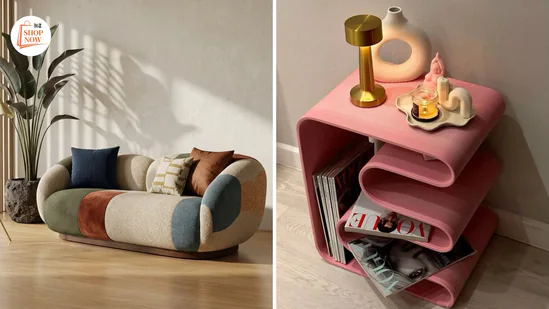
According to Adi Venkatesh, Founder and CEO of Chaaya Furniture, consumers are increasingly drawn to furniture that feels comfortable to live with rather than simply looking good. Curved silhouettes, rounded edges and softer finishes contribute to this shift, helping create interiors that feel warmer and less structured.
Why are people choosing curved furniture for their homes?
One of the reasons behind the growing interest in curved furniture is its ability to soften the overall appearance of a room. Straight lines and sharp edges have traditionally been common in furniture designs, but rounded silhouettes introduce a gentler visual balance. Venkatesh explains that the soft edges of a curved sofa or the arched design of a table can make an interior feel more welcoming. These details also have a practical advantage, particularly in compact urban apartments, where sharp furniture corners can become an everyday inconvenience. Rounded edges can reduce accidental bumps and make it easier to move around furniture in tighter spaces.
The appeal also comes from the materials and finishes used alongside these shapes. Bouclé upholstery, textured fabrics and matte-finished wooden furniture are gaining attention because of their warm, understated appearance. When combined with curved silhouettes, these materials add depth without making a room look overly elaborate.
How to introduce curved furniture without changing the entire room
Adopting this trend does not necessarily mean replacing existing furniture or planning an extensive home makeover. In fact, Venkatesh observes that many clients prefer introducing one statement piece with curved lines while keeping the rest of their interiors relatively simple. A sculptural armchair, an arched console or a coffee table with rounded edges can become a focal point in an otherwise understated room. This approach allows homeowners to experiment with softer furniture shapes without making the space feel visually crowded.
For instance, a rounded accent chair can complement a conventional straight-lined sofa, while an arched console can add visual interest to an entryway with minimal additional styling. Similarly, a curved coffee table can break the uniformity of a living room furnished with rectangular seating and storage units. The key is to let the curved piece stand out rather than introducing too many competing shapes. Keeping the surrounding furniture simple allows its design to make a noticeable difference.
Why curved furniture is is more than a passing home decor trend
While furniture trends often change with seasons and design preferences, Venkatesh believes curved furniture has the potential to remain relevant because its appeal is closely connected to everyday comfort. After spending long hours working, people increasingly want their homes to feel relaxing and inviting. Furniture that features softer edges, comfortable upholstery and organic shapes supports this preference while adding character to interiors.
Its versatility also makes it easier to incorporate into different home styles. Whether paired with minimal interiors, warm wooden finishes or contemporary decor, curved furniture can add softness without requiring a complete change in the design language of a room. As homeowners become more mindful of how their spaces look and feel, furniture that balances visual appeal with everyday functionality is likely to remain an important consideration.
- What is curved furniture?
Curved furniture refers to pieces designed with rounded edges, flowing silhouettes and organic shapes instead of conventional straight lines and sharp corners.
- Curved furniture refers to pieces designed with rounded edges, flowing silhouettes and organic shapes instead of conventional straight lines and sharp corners.
Curved furniture is gaining popularity because it gives interiors a softer, more welcoming appearance while offering practical benefits. Rounded edges can also make it easier to move them across the room.
- Which materials work well with curved furniture?
Bouclé, textured upholstery, matte-finished wood and other materials with warm, tactile finishes work well with curved furniture.
At Hindustan Times, we help you stay up-to-date with the latest trends and products. Hindustan Times has an affiliate partnership, so we may get a part of the revenue when you make a purchase. We shall not be liable for any claim under applicable laws, including but not limited to the Consumer Protection Act, 2019, with respect to the products. The products listed in this article are in no particular order of priority.
