
 E-Paper







Brajendra K Parashar is a Senior Journalist with the Hindustan Times, based in Lucknow, with nearly three decades of experience covering governance, public policy, politics and development in Uttar Pradesh. Over the years, he has reported extensively on key sectors, including energy and renewable power, mobility and transport, road safety, agriculture and allied sectors and issues related to farmers, rural development, taxation under the Goods and Services Tax (GST) and public administration. A seasoned political correspondent, Parashar closely tracks the Bharatiya Janata Party (BJP) and has covered every major election in Uttar Pradesh right from three-tier panchayat elections and urban local body polls to Assembly and Lok Sabha elections. He also reports regularly on the proceedings of the Uttar Pradesh Legislature, bureaucracy, governance, policy decisions and administrative developments with focus on their impact on public life. His reporting is known for its strong analytical approach, extensive use of official data. His areas of interests include investigative journalism, long-form political and policy analysis, data-driven reporting, elections and institutional reforms. Parashar holds a postgraduate degree in Political Science with First Division from Aligarh Muslim University (AMU), followed by a Diploma in Journalism and Mass Communication from the same university. His inclination towards journalism began during his student days, when he regularly contributed letters to editors and articles to newspapers and magazines. In the mid-1990S, his essay, “Should India Switch Over to the Presidential Form Of Government?”, published in Politics India magazine edited by noted constitutional expert Subhash C Kashyap, was adjudged the best entry in a national competition. His work has received professional recognition, including the Hindustan Times Journalist of the Month Award for an impactful series on drinking water issues during the 2010 Lok Sabha election campaign. Originally from Kasganj in western Uttar Pradesh, Parashar is currently based in Lucknow where continues to report on politics, governance and public policy.
UP: 1/3 prepaid power consumers have not recharged meter for months
Around one-third of electricity consumers using prepaid electricity meters in Uttar Pradesh have not bothered to recharge their connections for months.


Around one-third of electricity consumers using prepaid electricity meters in Uttar Pradesh have not bothered to recharge their connections for months.
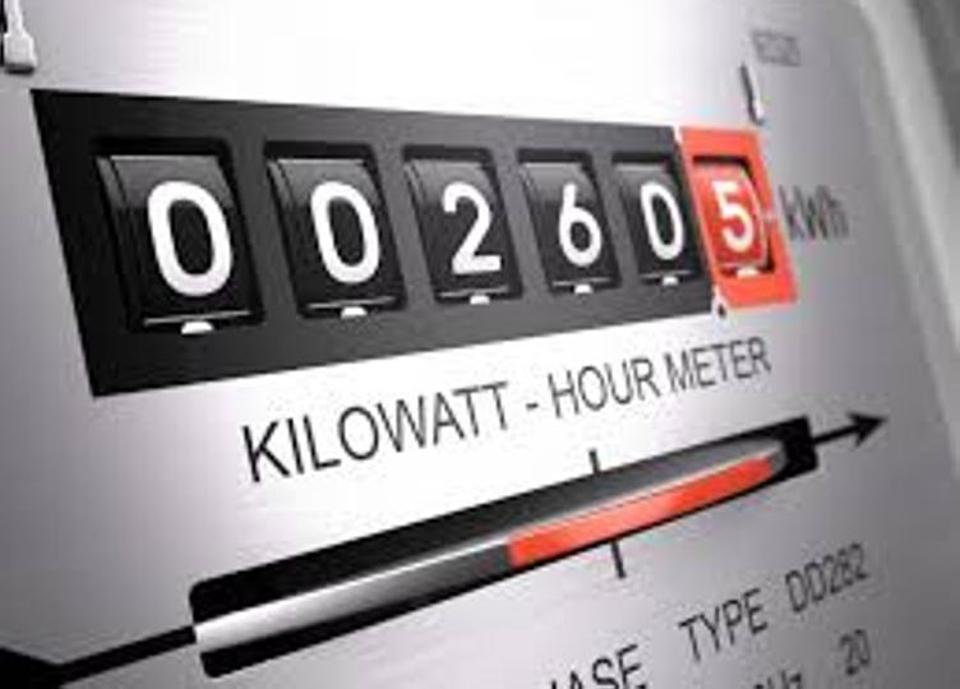
The shocking revelation comes at a time when the Centre has asked all states government to replace all postpaid power connections with prepaid ones by 2021.
The expose is all the more significant considering that many feel that chargeable prepaid electricity meters are the ultimate solution to the theft of electricity, low revenue recovery, inflated bills and difficulties in disconnecting defaulters’ supply etc.
These consumers, it is suspected, are drawing electricity illegally bypassing their prepaid meters after their connections might have got automatically disconnected after they exhausted limit and did not go for the fresh recharge.
The UP Power Corporation Ltd (UPPCL) has identified as many as 4,180 prepaid power consumers who have not recharged their connections for more than six months and nearly half of them have not done the recharge for a period spanning for more than a year.
This disclosure has been made by UPPCL managing director, Aparna U in a letter written to all discom MDs asking them get a spot inspection done to find out if the prepaid consumers who had not recharged their connections for more than six months were now consuming electricity illegally.
It has been found that as many as 2,416 prepaid consumers have not recharged their power connections for more than a year while 689 consumers have not gone for a recharge for a period ranging between six-nine months and another 1075 consumers have not recharged for nine-12 months.
“An analysis of the billing logic data for the month of February, 2019 shows that 4,180 prepaid consumers have not recharged their connections for six months or more,” she says in her letter addressed to all the discom MDs.
So far, the UPPCL has issued only 16,000 prepaid power connections and all of them are in big cities though the efforts are being made to gradually convert all the postpaid connections into prepaid pones
Giving discom-wise details in her letter, dated May 24, the UPPCL MD has said that under the Agra discom 77 prepaid consumers have not recharged their connections for more than a year, 58 for six-nine months and 62 for nine-12 months.
In the Lucknow discom, 307 such consumers have not recharged their power connections for more than a year, 372 for six-nine months and 397 for nine-12 months. Similarly, 1931 prepaid consumers have not gone for a recharge for more than a year, 144 for six-nine months and 415 for nine-12 months. And 101 prepaid consumers have not recharged their connections for more than a year, 115 for six-nine months and 201 for nine-12 months.
“There a possibility of all these consumers using katias (illegal connections) or bypassing their meters to use electricity,” Aparna told the discom MDs asking them to get a surprise inspection done at the identified prepaid consumers’ premises and take a legal action against them accordingly.
“The plans of installing prepaid meters may only backfire defeating the whole idea if consumers find ways to get electricity without recharging the connections,” a UPPC official said.
He said in case of postpaid connections one or the other staff kept on visiting the consumers’ premises to read meter, check load etc having some check. “But no such vigil is kept on prepaid connections,” he pointed out.





