
 E-Paper






Krishna Priya Pallavi is a journalist with over 9 years of experience, covering health, fashion, pop culture, travel, wellness, entertainment, festivals, mental health, art, decor, fitness, and sex and relationships. She is an alumna of the Indian Institute of Mass Communication (IIMC), Dhenkanal, and holds an undergraduate degree in Journalism and Mass Communication from Guru Gobind Singh Indraprastha University, Delhi. Her strong academic foundation informs her analytical and detail-oriented approach to storytelling, helping her uncover stories where none seem to exist. Before joining Hindustan Times, Pallavi worked with some of India’s leading media organisations. She spent close to three years at India Today, where she honed her newsroom skills and developed a sharp editorial sensibility. She also worked for over a year and a half at Vagabomb, ScoopWhoop’s feminist digital platform, where she explored stories through a gender-sensitive, socially aware lens. Pallavi has a deep interest in global fashion trends and international fashion seasons, and enjoys interviewing celebrities and tracking pop culture movements—interests that frequently translate into engaging, reader-friendly stories. Alongside lifestyle and entertainment, she has a keen eye for impactful health and wellness journalism, regularly interacting with doctors, designers, and digital content creators to bring nuance and credibility to her work. Born and raised in Haryana, Pallavi remains deeply connected to her ancestral roots in Odisha. Her ability to spot fresh angles brings curiosity and depth to stories she pursues. When not chasing deadlines, she enjoys spending time with her dog, planning her next vacation, reading, running new trails, and discovering new destinations.
Oncologist explains how HPV can stay hidden for so long and why early screening matters even when you feel healthy


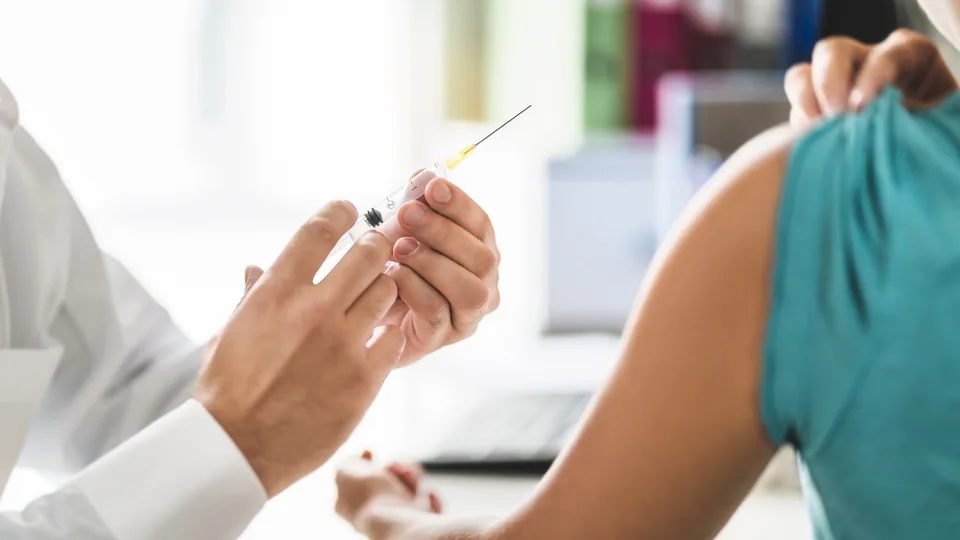
Most HPV infections clear on their own. Persistent infection with high-risk types is concerning, underscoring the importance of medical follow-up and screening.
HPV (human papillomavirus) is a common virus that most sexually active individuals may be exposed to sometime during their lives, without being aware of it, as it typically does not produce symptoms. According to Dr Amita Naithani, senior consultant – gynae-oncology and robotic surgery at Apollo Athenaa Women’s Cancer Centre, most people recover from the infection spontaneously within a year or two.
However, in an interview with HT Lifestyle, she cautioned that a cause for concern is that some high-risk HPVs can remain in the body for several years.
“Persistent infection is one that lasts for a long time. HPV infection may cause abnormal changes in the cells of the cervix over time. Some of these changes can eventually turn into cervical cancer unless they are found and treated,” she explained.
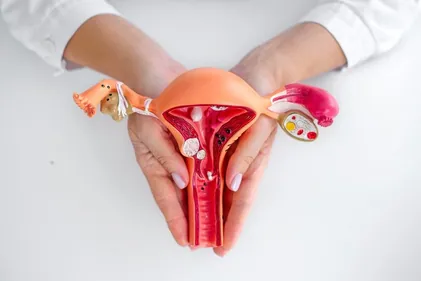
How can HPV stay hidden for so long?
The most crucial thing to know about HPV is that an infection is not always symptomatic, according to Dr Amita. Some women have HPV and never experience any symptoms, she added.
Therefore, being diagnosed with HPV infection should not be a cause for panic. “If a woman tests HPV positive, it does not necessarily mean that she has cervical cancer. Most HPV infections clear up on their own. However, proper monitoring and follow-up with a trained medical practitioner are necessary when harbouring the virus, especially the high-risk types,” she added.
The process can be understood simply:
- HPV infection occurs, usually without noticeable symptoms.
- Most infections resolve on their own, but some high-risk infections can persist for years.
- Persistent infection may cause abnormal cervical cells, which can eventually become cancer if not detected and treated in a timely manner.
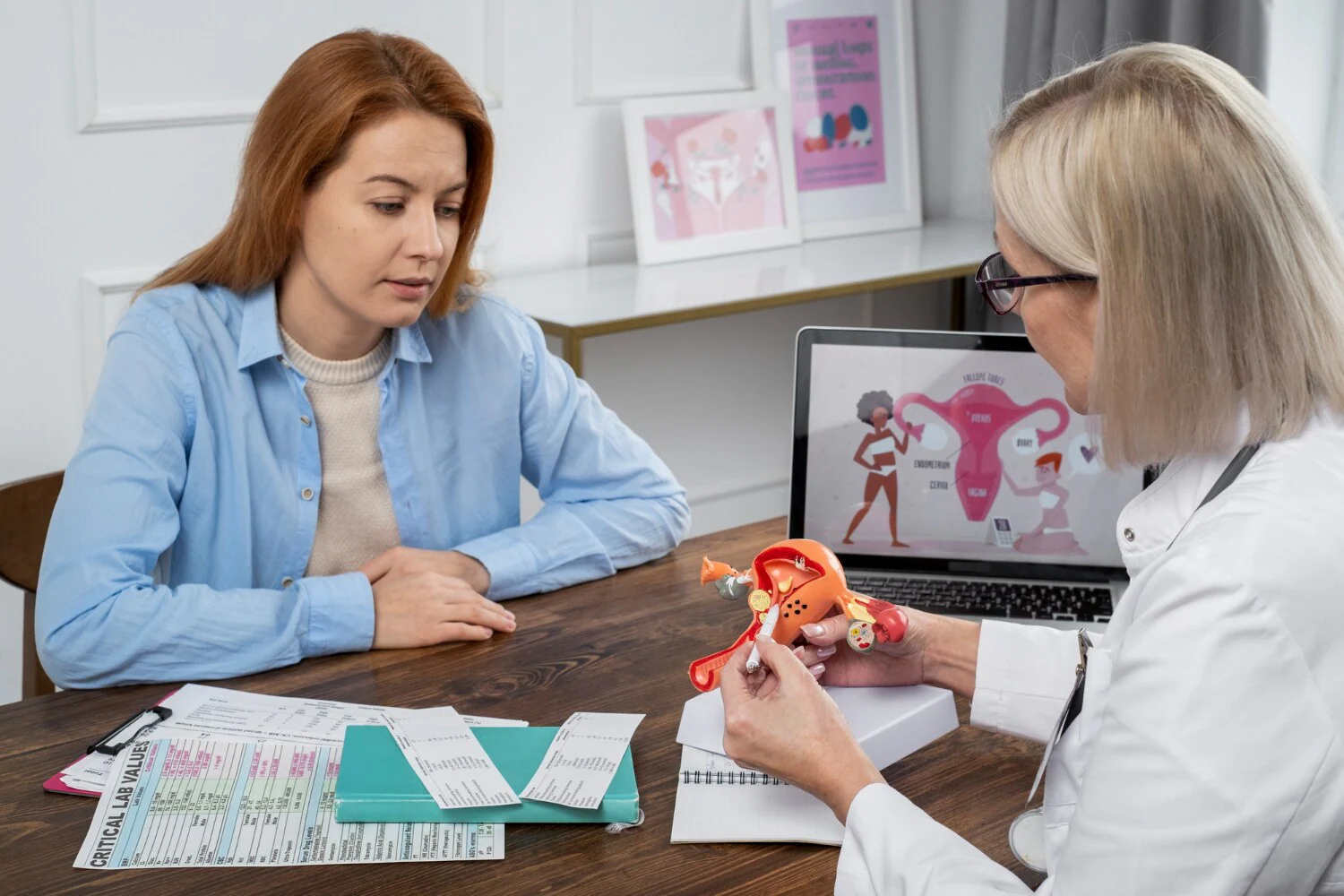
Why screening matters even when you feel healthy
Cervical cancer screening is important because changes in cervical cells are unlikely to show up in early stages, Dr Amita explained, adding that while abnormal changes are taking place, a woman may feel perfectly healthy.
This is where screenings help, as they can detect high-risk HPV or abnormal cells on the cervix before they progress to cancer.
“Screening could be an HPV test, a Pap test or both, depending on the woman's age, her health and her doctor's recommendations,” Dr Amita noted.
In addition, women should see a doctor if they experience any of these symptoms, she cautioned:
- bleeding between periods
- bleeding after sex
- unusual vaginal discharge
- ongoing pelvic pain
Having these symptoms may not necessarily indicate cancer, but they can't be overlooked, Dr Amita warned.
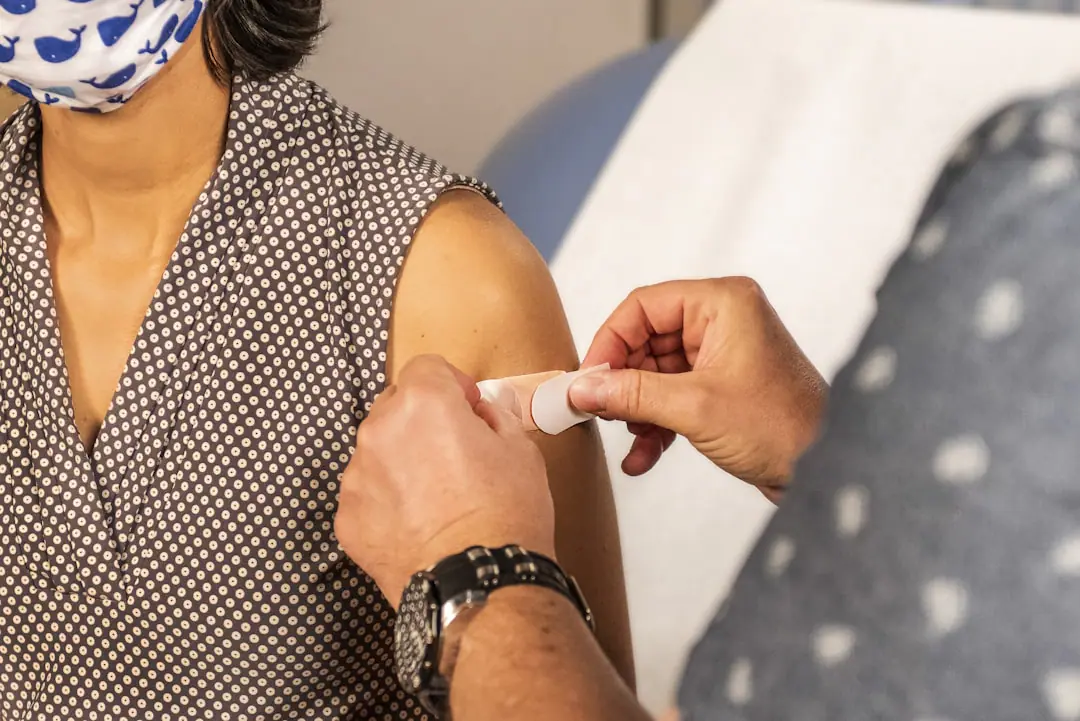
Cervical cancer is largely preventable
The good news is that cervical cancer is one of the cancers that has the potential to be prevented or detected early for a significant impact, Dr Amita noted.
“The HPV vaccine can help prevent serious high-risk types of HPV, and regular cervical screening can detect abnormal changes before they develop into cancer,” she advised. Thus, there are three simple things every woman should remember, according to Dr Amita:
- Do not wait for symptoms before thinking about cervical screening.
- Speak to your doctor about HPV vaccination and whether it is appropriate for you or your children.
- Do not ignore an abnormal HPV or Pap test. Follow-up testing is important, even if you feel completely healthy.
“HPV is very common, and no infection with HPV should be feared or stigmatised. Cancer is not a typical result of most infections. The danger is when an infection with a high risk of cancer exists in the body for a long period of time and starts to alter the cells of the cervix, without timely medical care and opinion,” Dr Amita noted.
The message is clear: according to Dr Amita, HPV can go undetected, but cervical cancer can't. “Cervical cancer can be prevented by vaccination or detected at an early stage when it can be effectively managed.”
Note to readers: This article is for informational purposes only and not a substitute for professional medical advice. Always seek the advice of your doctor with any questions about a medical condition.
ABOUT THE AUTHOR

Catch your daily dose of Fashion, Taylor Swift, Health, Festivals, Travel, Relationship, Recipe and all the other Latest Lifestyle News on Hindustan Times Website and APPs.





