
 E-Paper






Adrija Dey’s proclivity for observation fuels her storytelling instinct. As a lifestyle journalist, she crafts compelling, relatable narratives across diverse touchpoints of the human experience, including wellness, mental health, relationships, interior design, home decor, food, travel, and fashion that gently nudge readers toward living a little better. For her, stories exist in flesh and bones, carried by human vessels and shaped through everyday endeavours. It is the small stories we live and share that make us human. After all, humans and their lores are the most natural and raw repositories of stories, and uncovering them, for her, is akin to peeling an orange under a winter afternoon sun. Always up for a chat, she believes the best stories come from unfiltered yapping, where "too much information" is kind of the point. A graduate of Indraprastha College for Women, University of Delhi, and an alumna of the Indian Institute of Mass Communication (IIMC), Delhi, Adrija spends her idle hours cocooned with herbal tea and a gripping thriller, scribbling inner monologues she loosely calls poetic pieces, often with her succulents in attendance. On lazier days, she can be found binge-watching, for the nth time, one from her comfort-show holy trinity: The Office (US), Brooklyn Nine-Nine, or Modern Family. Dancing by herself to her peppy playlists, however, is an everyday ritual she swears by religiously.
Got a sprain while playing? Sports surgeon shares 6 warning signs you should not ignore


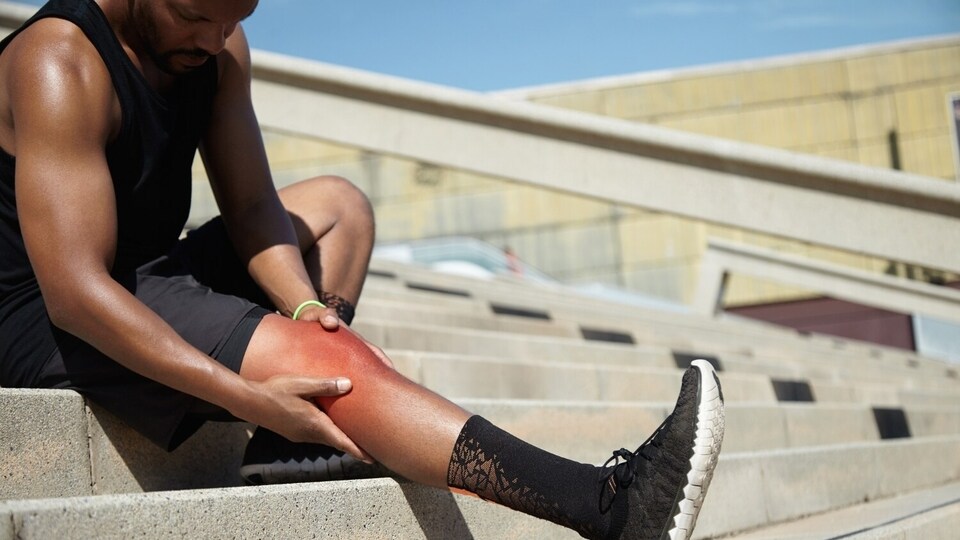
If you suffered an injury, know what are the major signs when you should visit a doctor, otherwise you may be aggravating it if you leave it untreated.
Ever played and hurt yourself, expecting it to heal on its own? You may be in the dark. This can be anything from a pulled muscle to a twisted ankle. But simply dismissing it as a sprain that will fix itself is not a good idea. Usually, mild injuries heal by themselves with rest, but it is flawed to assume that all injuries are mild, as some can be serious as well. The most important thing is to understand when your injury may need medical attention. By being aware of certain warning signs, you can identify if your sprain or strain needs medical examination.
ALSO READ: Pain in knees when you walk? Cult Fit founder shares 5 exercises to strengthen joints
HT Lifestyle reached out to Dr Kundan Kumar Jha, consultant-sports injuries and joint replacement surgeon at Arete Hospitals, who shared the key signs.
Sharing his clinical experience, he elaborated, “Sprains and strains are easy to dismiss. Most people assume they only happen during sports, but in practice, I see them after very ordinary moments, carrying groceries, stepping off a curb awkwardly, lifting a suitcase, or slipping on wet stairs. Because they’re so common, many people try to manage the pain on their own. Sometimes that’s fine. Sometimes it’s not.”
Dr Jha listed out the signs that may indicate your strain is serious:
1. Pain isn’t settling
- Mild injury starts to feel better within a few days.
- If pain is the same or worsens, then it is a sign of something serious.
- Pain keeps returning once you move the area.
2. Swelling that refuses to go down
- Swelling after injury is normal, but ideally, it should go down over time.
- If it’s still puffy after a few days or swells up again when you move it, that usually means it’s not healing properly.
3. You are avoiding using that arm or leg
- Many people don’t realise they’re doing this. They limp slightly, stop lifting with one arm, or change how they move.
- Difficulty standing, walking, gripping, or carrying weight usually means the injury is more than minor.
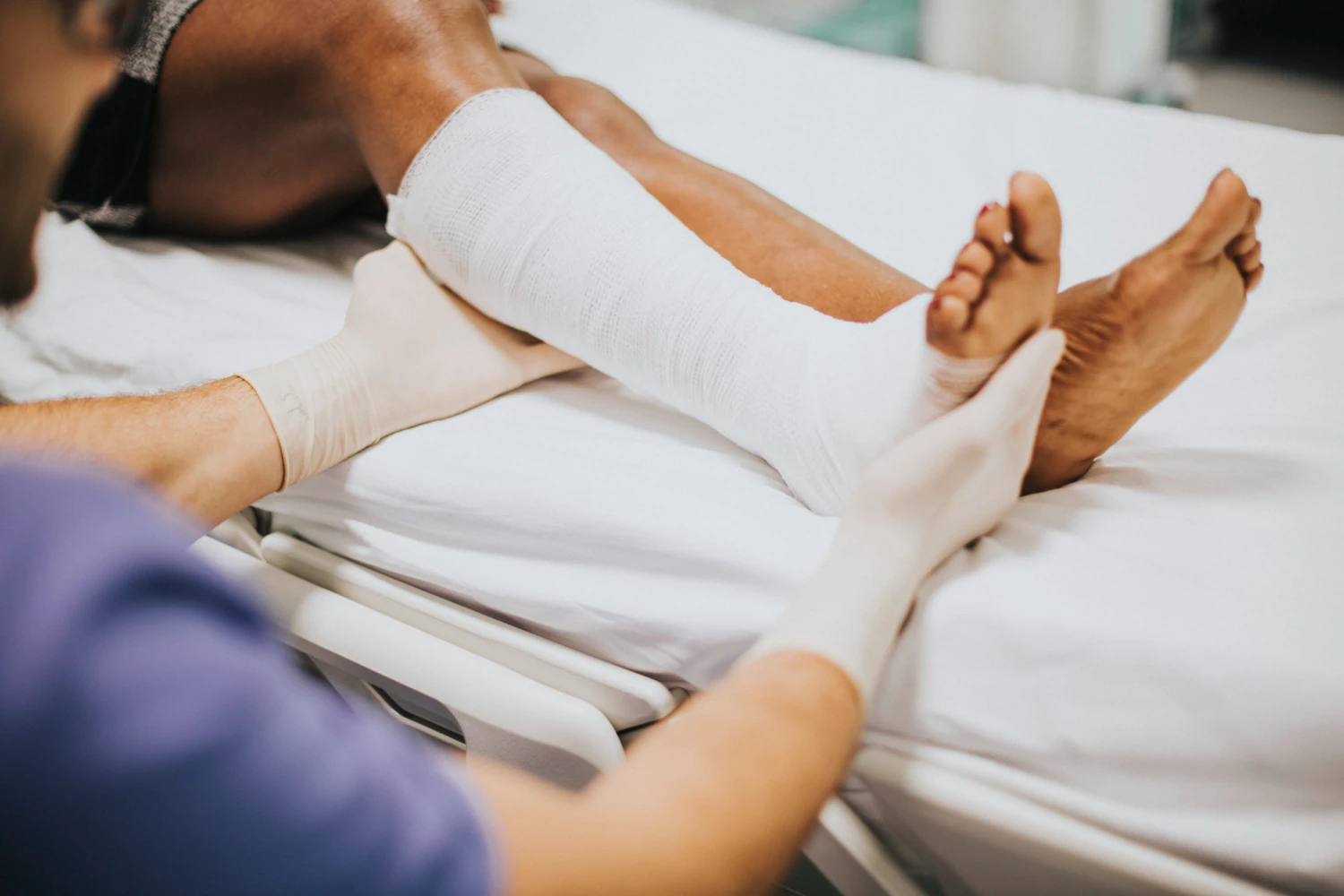
4. Joint doesn’t feel reliable
- If your knee, ankle, shoulder, or wrist feels like it might give way, don’t ignore it.
- Most of the time, it means the ligaments are hurt, or the muscles around it aren’t supporting it properly.
5. Sharp pain, numbness, or limited movement
- Pain that was sharp right from the start, visible changes in shape, tingling, numbness, or trouble moving the joint normally should always be assessed by a doctor.
- These symptoms suggest more than a simple strain.
6. Same injury keeps coming back
- If you keep hurting the same spot again and again, it usually shows that the first injury never really got better.
- The muscles around it aren’t strong enough, so the joint just stays at risk.
The surgeon urged getting the injury checked early to understand how serious it is. “With some rest, maybe physiotherapy, or using a brace, most people get better and don’t end up with stiffness or weak joints,” Dr Kundan Kumar Jha noted.
So while sprains and strains are common, Dr Jha mentioned that ongoing pain and instability should not be considered normal. He also recommended getting an examination done by a sports injury surgeon, followed by an MRI scan.
Note to readers: This article is for informational purposes only and not a substitute for professional medical advice. Always seek the advice of your doctor with any questions about a medical condition.
ABOUT THE AUTHOR

Catch your daily dose of Fashion, Taylor Swift, Health, Festivals, Travel, Relationship, Recipe and all the other Latest Lifestyle News on Hindustan Times Website and APPs.





