
 E-Paper







Follow the latest breaking news, major developments and agenda-setting stories from India and around the world with the newsdesk at Hindustan Times. Operating round the clock, the desk brings together experienced editors, reporters and correspondents to deliver fast, accurate and contextual reporting across subjects that influence public policy, governance, business, society and international affairs. The HT News Desk covers politics, elections, government policies, the economy, business and markets, science and technology, the environment, law and order, infrastructure, education, climate issues and geopolitics, while closely tracking developments across states, institutions and global capitals. The team also leads coverage of major breaking news events, policy announcements, court proceedings, natural disasters, public emergencies and significant international developments. Reports published by the newsdesk are based on information gathered from reporters on the ground, official statements, government agencies, court records, regulatory filings, recognised institutions and other authoritative sources. Stories undergo editorial scrutiny and verification processes to ensure accuracy, fairness and relevance, and are updated as events evolve and additional information becomes available. Whether covering a key political decision in New Delhi, an economic policy shift affecting millions, a landmark court ruling or a major global event, the HT News Desk aims to provide readers with reliable, fact-based journalism that delivers not only the latest developments but also the context and analysis needed to understand their wider implications.
Punjabi singers, lyricists oppose Bollywood ban on Pakistani artistes after Pulwama attack
A group of Punjabi singers and lyricists says it prefers dialogues and celebration of a common culture to foster peace.


A week after the All Indian Cine Workers Association banned Pakistani artistes and actors from working in Indian film industry after the Pulwama terror attack a group of Punjabi singers and lyricists has questioned logic of the ban ‘due to the fights between politicians of both nations.’
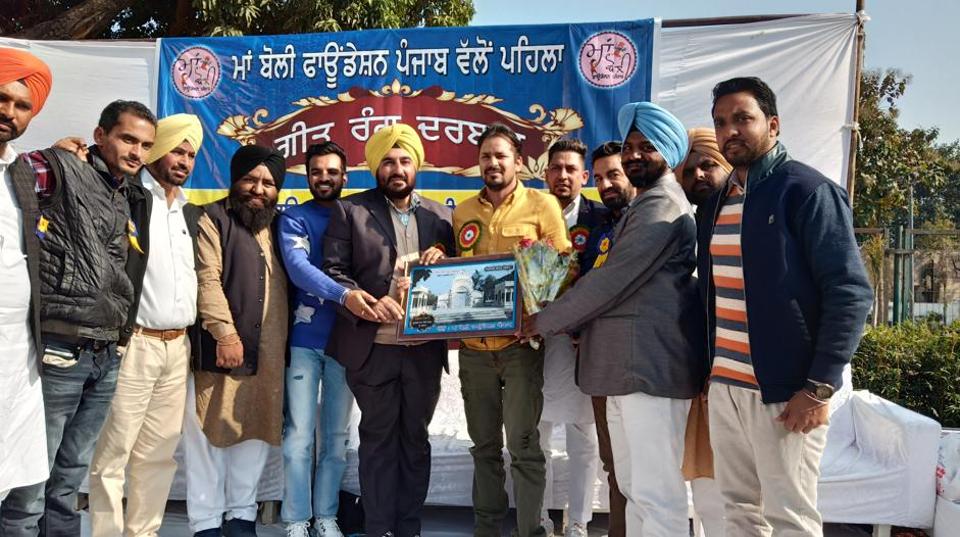
At an event in Sangrur on Sunday, they said they prefer dialogues and sharing rituals, food and culture between people of both countries to foster peace.
“I like many Pakistani artistes. Even the Indian artistes have received a lot of love from Pakistani citizens. I believe that hate can only be eradicated through dialogue between India and Pakistan. Both countries share a rich history, and great food, music and art,” said Punjabi singer Happy Raikoti.
Punjabi music industry artistes, including Raikot, Veet Baljit, Ranjit Khan Matt Sheron Wala, Bachan Bedil, Manpreet Tiwana and others, were taking part in a function named ‘Geet Rang Darbar’ in Sangrur on Sunday.
Soldier-turned-lyricist Matt Sheron Wala said, “Our government should probe what exactly happened in Pulwama. The accused should be punished. But art and artistes of no country should be banned in the other. Art teaches us about peace and beauty of life and not wars and discriminations.”
“When our fathers and uncles quarrel over something, we cousins do not boycott each other and remain in touch. Then how can we ban our fellow artistes in Pak due to the fights between politicians of both nations?” Matt argued.
Veet Baljit dismissed boycott calls by Bollywood celebrities saying, “Let them impose bans.”
Lyricist Tiwana said the tension between both the countries was a result of some “bad elements”. “Our culture and language are quite common. The actions of certain bad elements have created this hate between both nations.”
“But we should not stop efforts to bring peace and dialogue between the countries because of these anti-social elements. People are causing and fuelling communal tension for political mileage,” Tiwana added.
The stand of the Punjabi singers and lyricists is similar to that of Punjab minister Navjot Sidhu who sparked a major controversy after the Pulwama attack saying, “For a handful people, you cannot blame an entire nation.”
Forty CRPF troopers were killed in the suicide attack on their convoy.
Sidhu was dropped from ‘The Kapil Sharma Show’ by Sony TV shortly after his comment.
Sidhu also came under fire from Delhi chief minister Arvind Kejriwal for his friendhsip with Pakistani Prime Minister Imran Khan.
Also read: ‘Imran Khan’s friendship comes first for him’, Kejriwal takes a swipe at Navjot Sidhu





