
 E-Paper






Follow the latest breaking news, major developments and agenda-setting stories from India and around the world with the newsdesk at Hindustan Times. Operating round the clock, the desk brings together experienced editors, reporters and correspondents to deliver fast, accurate and contextual reporting across subjects that influence public policy, governance, business, society and international affairs. The HT News Desk covers politics, elections, government policies, the economy, business and markets, science and technology, the environment, law and order, infrastructure, education, climate issues and geopolitics, while closely tracking developments across states, institutions and global capitals. The team also leads coverage of major breaking news events, policy announcements, court proceedings, natural disasters, public emergencies and significant international developments. Reports published by the newsdesk are based on information gathered from reporters on the ground, official statements, government agencies, court records, regulatory filings, recognised institutions and other authoritative sources. Stories undergo editorial scrutiny and verification processes to ensure accuracy, fairness and relevance, and are updated as events evolve and additional information becomes available. Whether covering a key political decision in New Delhi, an economic policy shift affecting millions, a landmark court ruling or a major global event, the HT News Desk aims to provide readers with reliable, fact-based journalism that delivers not only the latest developments but also the context and analysis needed to understand their wider implications.
Centre wants to discourage private vehicles for pollution-free transportation : Gadkari
Union road transport and highways minister Nitin Gadkari said a regular diesel-run bus’s per kilometre cost is Rs 110. He added it is Rs 70 for an ethanol-run bus and Rs 50 for electric buses.


Union road transport and highways minister Nitin Gadkari on Thursday said the Centre was planning a slew of measures like discouraging private cars, encouraging cycling and alternative fuels for pollution-free transportation.
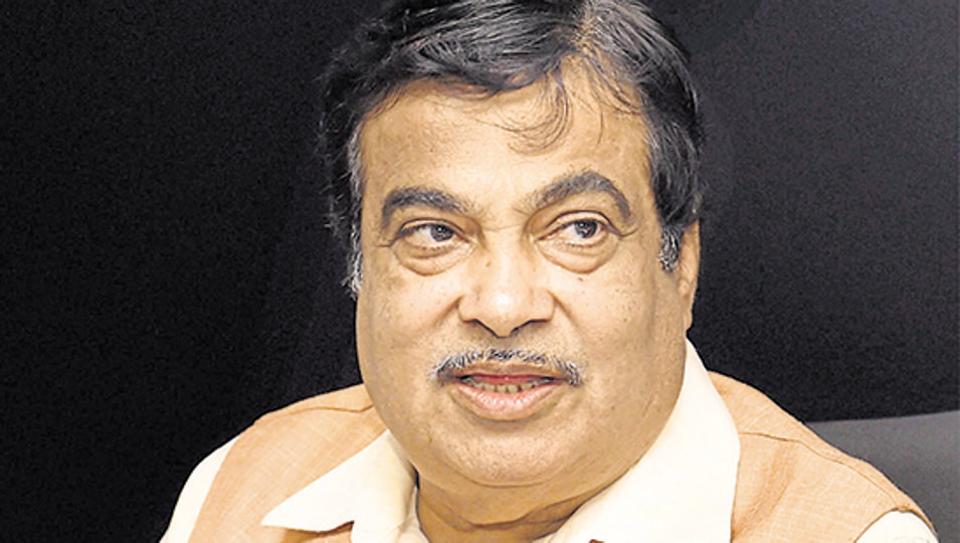
He said the government has decided to exempt public transport, including battery operated vehicles, that run on methanol and ethanol from getting mandatory permits. “We want to discourage private cars. Though the reality is that their production has only increased each year,’’ said Gadkari, as toxic smog has begun to envelop large parts of northern India like the previous years. “…we import petrol and diesel which results in more pollution. This is why we want a pollution-free and cost-effective transport system.”
Gadkari said a regular diesel-run bus’s per kilometre cost is Rs 110. He added it is Rs 70 for an ethanol-run bus and Rs 50 for electric buses. “Therefore, we can reduce the price by half. Pune has issued a tender for running 150 and Maharastra plans to get 1,000 electric buses.” He said the government has initiated a pilot project for running 40 buses on methanol.
Gadkari said the people in backward areas can find an additional source of income by opting to generate biogas. He promised technological and training support for the purpose.
Gadkari said the government wants to encourage cycling. “We have made cycle tracks along Delhi’s ring road... the NH (national highways) passing through cities will also have cycling tracks. .. We want to give a big push to cycles. We have spoken to celebrities also. Many MPs cycle to Parliament. We soon plan to run a campaign to make cycling popular in cities.”
He said officials recently held a meeting with the representatives of a Russian company that makes small boats – hybrid aeroboats – for inland waterways. “The boats combine land, water, aviation technology. They can run on the land, water, marsh… The government is keen on trying these soon… The government is looking at using these boats on the Yamuna River for visits to Taj Mahal from Delhi.”
Gadkari said the government is also looking at the possibility of using aerial transport systems like ropeways especially in hilly areas and in congested cities. He said the government has begun a project for running a metro train service on existing broad gauge lines in Nagpur, which will cost effective as well as pollution free.





