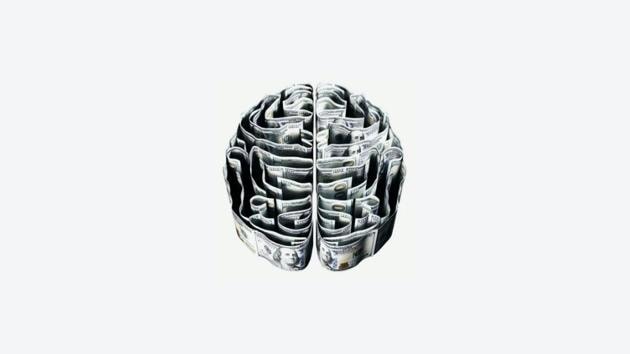
Scientists at the Walter Reed Army Institute for Research (WRAIR) have recently demonstrated that cathepsin B, a well-studied protein important to brain development and function, can be used as biomarker, or indicator of severity, for traumatic brain injury.
Traumatic brain injury (TBI) or brain trauma results from blows to the head, leading to life-changing disruption of the brain and a cascade of long-term health conditions. A leading cause of disability and death worldwide, TBI may occur due to an open-skull injury, like a gunshot wound, a fall, or an automobile accident. Athletes, the elderly, children, and military service members are particularly vulnerable.
Biomarkers are a source of great interest to researchers due to their potential to dramatically improve both the diagnosis and categorisation of severity of TBI. Furthermore, they have the potential to validate treatment strategies by indicating whether drugs have reached their proposed targets and achieved therapeutic benefits.
In their publication in the Journal of Neurotrauma, the researchers showed that levels of cathepsin B were increased in areas of the injured brain relevant to controlling the senses, language, memory and other critical executive functions.
In healthy cells, cathepsin B has a range of roles, including helping to eliminate damaged cells, maintaining metabolic homeostasis, and degrading improperly produced proteins. When the level of cathepsin B is not tightly controlled, it is linked to inflammation and tissue death.
{{/usCountry}}In healthy cells, cathepsin B has a range of roles, including helping to eliminate damaged cells, maintaining metabolic homeostasis, and degrading improperly produced proteins. When the level of cathepsin B is not tightly controlled, it is linked to inflammation and tissue death.
{{/usCountry}}This publication reports the first results demonstrating the ability to use cathepsin B as a blood-based biomarker to capable of identifying TBI severity within different brain regions as well as cerebral spinal fluid.
“Biomarker tests that accurately reflect the extent and severity of injury can dramatically improve the standard of care, minimizing the need for resource-intensive diagnostics like CT or MRI scans in favor of more portable tests,” said Dr. Angela Boutte, lead author and section chief of molecular biology and proteomics within the Brain Trauma Neuroprotection Branch at WRAIR.
“This would allow for early, accurate detection of TBI, whether at the side of the road after an accident or, most importantly, on the battlefield to help guide medical decisions,” added Boutte.
Future research is planned to further characterise the role of cathepsin B in TBI.
(This story has been published from a wire agency feed without modifications to the text. Only the headline has been changed.)
Follow more stories on Facebook and Twitter
Catch your daily dose of Fashion, Taylor Swift, Health, Festivals, Travel, Relationship, Recipe and all the other Latest Lifestyle News on Hindustan Times Website and APPs.
Catch your daily dose of Fashion, Taylor Swift, Health, Festivals, Travel, Relationship, Recipe and all the other Latest Lifestyle News on Hindustan Times Website and APPs.
