E-Paper




Not able to conceive naturally? Do not panic! Here is what you can do
After 4-5 months of trying, couples need to do some self-introspection. You can make simple modifications to your lifestyle to put roadblocks out of the way and try planned intercourse for at least two months before consulting an expert.

 Prefer HTon Google


Dear couples,
With infertility on the rise, medical research now recommends that a couple that has been trying to conceive for a time-frame of six months and is unsuccessful should seek help, as against the one year wait which was the benchmark earlier.
After 4-5 months of trying, couples need to do some self-introspection. You can make simple modifications to your lifestyle to put road-blocks out of the way and try planned intercourse for at least two months before consulting an expert. Once you reach an infertility clinic and start the process of tests and procedures, you will only move forward on that journey.
But here is what you can do from your end, first!
1.Eat right and keep yourself hydrated
Most food from outside is laden with chemicals, artificial colouring agents and preservatives, which are to be stricken off the list if you intend to work on your fertility. While eating healthy is important for everyone, couples who are planning to start a family must eat home-cooked meals and avoid junk food. Keeping the body well-hydrated with lots of water and natural fluids is equally important.
2.Keep stress, pollution at bay
Stress and pollution have become unavoidable in today’s world. While you can’t eliminate them, one can counter the ill-effects by taking in anti-oxidants in the form of supplements, which your family doctor can prescribe. Practicing yoga or any other form of exercise for 30 minutes every day is a must as it detoxifies the system and brings down stress levels.
3.Watch your weight
The Body Mass Index (BMI) of a woman has a direct effect on her ovulation. If the BMI is over 29, it may hamper fertility. One must follow a healthy diet and exercise regime to reach the ideal weight as per height. But one needs to be careful as heavy exercise is not recommended.
4.Smoking, alcohol and drugs
Smoking and regular drinking have become common with men and women alike in India’s urban centres and have had an adverse impact on chances of conception. While an occasional smoke or drink does no harm, it must not be an everyday addiction. Hard drugs must be completely avoided.
5.Folate – the miracle food
Also known as Vitamin B9, this water soluble nutrient supports healthy cell division and promotes foetal growth. Eating foods rich in folate, in addition to a supplements containing folic acid, support a healthy pregnancy and conception. Such foods include dals, leafy greens, eggs, beetroot, citrus fruits like orange and lemons, broccoli, nuts and seeds and bananas.
6.Timing it right
If you have a normal cycle which spans 28-30 days, avoid fads like ovulation kits available in the market as they only increase stress, which affects fertility of both men and women. It is best to extend the window and plan intercourse between eleventh and sixteenth day of your cycle to improve your chances of conception. The kit is meant for those whose periods are irregular.
7.Make time for each other
Corporate jobs are demanding and we often see couples coming home late from work. Erratic work hours and high levels of stress impact fertility. The exhaustion from the long day does not offer the right mental space for intercourse. We see that couples with normal medical conditions are also often unable to conceive.
8.The age factor - timely marriage and planning your first child
Men and women are busy with their careers and late marriages are common. Even after marriage, women want to take their time to have children. As every year advances after the age of 30, a woman’s fertility potential also reduces substantially. So, those who marry after the age of 30-31 should not wait for more than one year to plan a baby.
Yours truly,
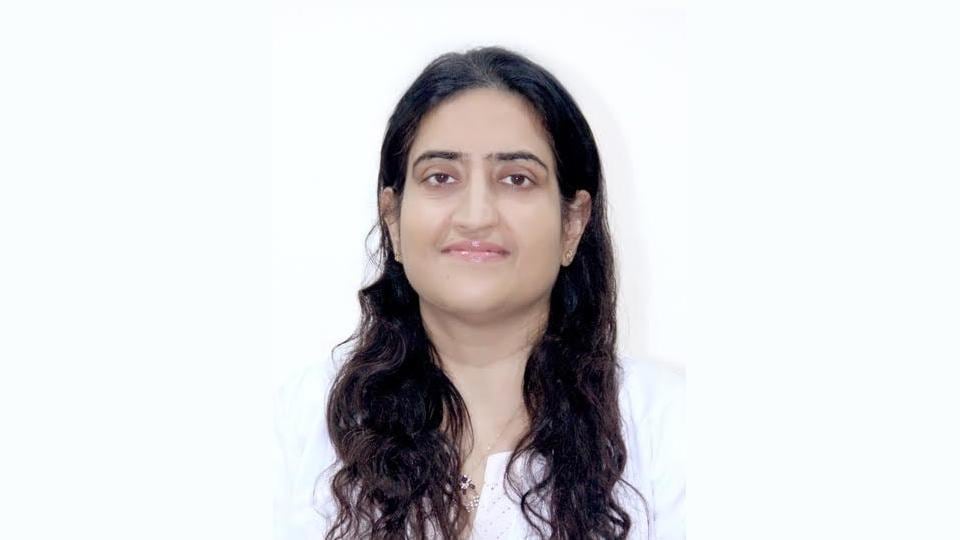
Dr Simi Sood
Dr. Sood is Consultant Reproductive Medicine and Director at Neelkanth Fertility and Women Care Hospital, Udaipur.
You can also read more about IVF, fertility and related issues by visiting our site or clicking www.parentsoffertility.com
DISCLAIMER : This document is for general reference only and for the viewers in India only. The data is based on blog writer’s / participants’ opinions which do not necessarily reflect the views, ideas and policies of Merck and Merck makes no representations of any kind about the accuracy or completeness of the information provided. It may refer to pharmaceutical products, diagnostic techniques, therapeutics or indications not yet registered or approved in a given country and it should be noted that, over time, currency and completeness of the data may change. For updated information, please contact the Company. This data should not be used to diagnose, treat, cure or prevent any disease or condition without the professional advice of a Registered Medical Practitioner, and does not replace medical advice or a thorough medical examination. Registered Medical Practitioners should use their independent professional judgement in checking the symptoms, diagnosing & suggesting the appropriate line of treatment for patients. Merck is not in any way influencing, propagating or inducing anyone to buy or use Merck products. Merck accepts no liability for any loss, damage or compensation claims in connection with any act or omission by anyone based on information contained in or derived through use of this document.
For more information write to Merck Specialites Private Limited, Godrej One, 8th floor, Pirojshah Nagar, Eastern Express Highway, Vikhroli (E), Mumbai 400079, India